







Search Results for: Coffee Cultural Creative
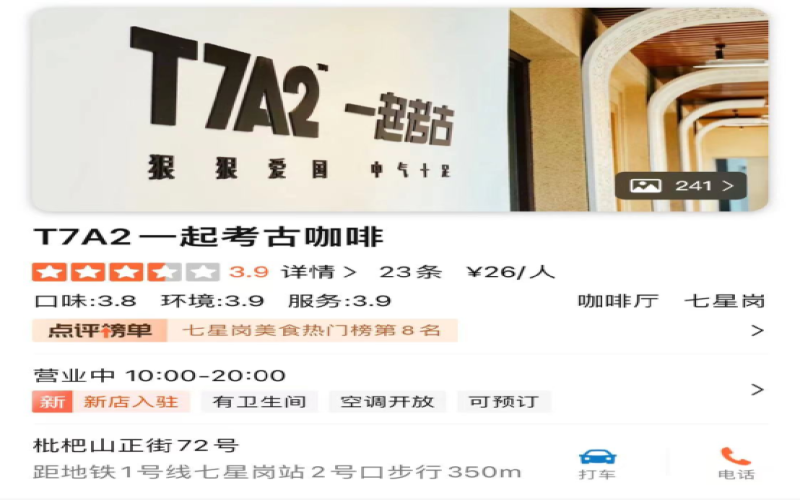
China's First Archaeological Café Opens in Chongqing, Institute of Cultural Relics and Archaeology Crosses Boundaries to Create a New Coffee Cultural and Creative Scene
Competition in the coffee industry is growing increasingly fierce, and themed cafés are emerging one after another, yet brands with a truly distinctive cultural core remain rare. Recently, the country's first archaeology-themed café officially opened in Yuzhong District, Chongqing. Jointly created by the Chongqing Cultural Relics and Archaeology Research Institute and a Chongqing cultural and creative industry council member unit, it blends professional archaeological expertise with the coffee-drinking experience. The shop not only offers archaeology-themed drinks, but also features distinctive settings such as a stratigraphy bar counter, a wall of archaeological tools, and merchandise inspired by replicated cultural relics, with plans to hold themed salons on a regular basis. This cross-disciplinary experiment brings the niche discipline of archaeology into the public eye in a way young people enjoy, and also opens up new imaginative possibilities for the "coffee + cultural creativity" model. [more…]
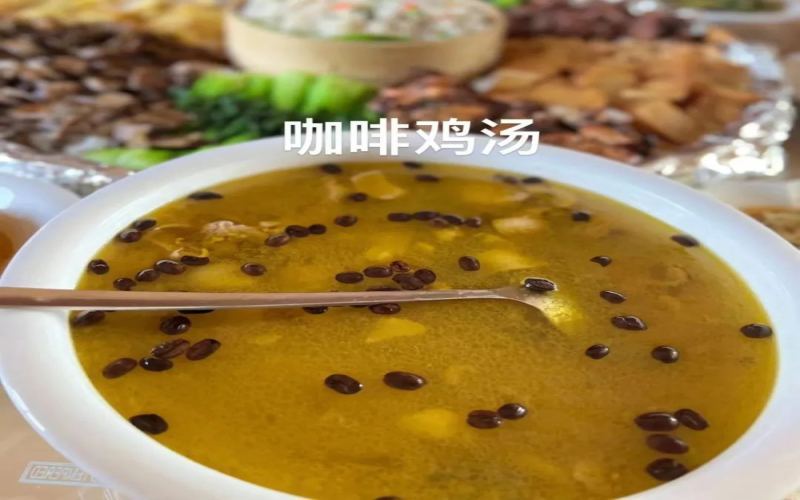
A Creative Roundup of Guangdong's Specialty Coffee: The Regional Cultural Logic Behind Ginger-Scallion Chicken Americano and Sesame Oil Qingping Chicken
The way coffee is enjoyed in Guangdong is clearly a bit different from elsewhere. When ginger juice, scallion shreds, toasted sesame seeds, and even bird's eye chilies jump into the coffee cup one after another, the boundaries of specialty coffee get redrawn again and again. This article rounds up a batch of coffee specialty drinks with strong Guangdong characteristics, from ginger milk curd with espresso to a kumquat juice and coconut water mashup, and on to ginger-scallion chicken Americano and sesame oil Qingping chicken specialty coffee. Behind these seemingly outrageous combinations actually lies the open-minded, relaxed regional character of Cantonese people. Most of these products are gimmicks to draw traffic, and only a few actually make it to market, but they still show the many possibilities of coffee. The article also keeps relevant recommendation information from Front Street Coffee for coffee lovers' reference. [more…]
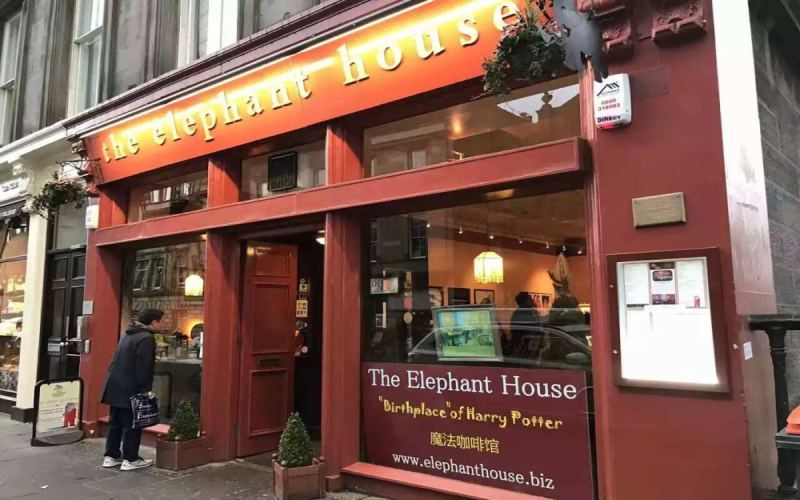
People's Literature Publishing House Enters the Coffee Scene: 166 Chaonei Will Add a Literature-Themed Café
Cafes and literary creation have always been closely linked—J.K. Rowling writing Harry Potter in Edinburgh's Elephant House is a classic example. Now, the People's Literature Publishing House has also announced plans to open a literary-themed cafe at No. 166 Chaonei, a cultural landmark. Though the space is small, the aim is to create a literary haunt for humanities readers. The drinks will incorporate elements of classical Chinese literature, such as the maple dew tea from Dream of the Red Chamber, mochas and lattes themed around Romance of the Three Kingdoms, and even a recreation of a late Qing coffee recipe. The shop's name is currently being solicited from readers, with an annual unlimited-drink membership card as a reward. Whether this cafe can preserve its literary core amid the influencer wave is worth watching. [more…]

A Grand Showcase of New Year Couplets for Coffee Shops: A Creative Clash of Dragon Year Coffee Culture and Traditional Spring Couplets
During the Spring Festival of the Year of the Dragon, the coffee industry blended into traditional New Year flavor in a unique way, as many independent café owners posted carefully crafted coffee-themed Spring Festival couplets on social media. These couplets cleverly combined coffee elements such as lattes and Americanos with auspicious blessings, showcasing the charm of coffee culture while conveying good wishes for the New Year. From “Coffee has bitterness and sweetness too” to “Iced Americano is simply the best,” each couplet embodied the shop owner’s love of life and blessings for customers. Let us step into these highly creative cafés together, experience a distinctive New Year flavor where tradition and modernity blend, and savor the cultural charm within the rich aroma of coffee. [more…]

Full Recap of Guangzhou's First Specialty Coffee Culture Festival: Market Highlights and the Must-Visit Specialty Coffee Shop List
In July 2017, Guangzhou welcomed its first lifestyle market themed around specialty coffee—the Guangzhou Specialty Coffee Culture Festival, held at the 289 Art PARK Culture Plaza. The event brought together the city's top specialty coffee shops, including brands like Front Street Coffee, where visitors could taste coffee beans from various origins, fresh creations by champion roasters, as well as creative coffee, drip bags, pour-over equipment, and cultural merchandise. Beyond coffee, booths featuring desserts, craft beer, tattoos, and handmade crafts were equally exciting. Consumers could vote for their favorite coffee shop, join coffee tasting salons and amateur pour-over competitions, and experience tattoos and photo interactions. Whether a coffee connoisseur or a curious beginner, everyone could find their own enjoyment here. [more…]
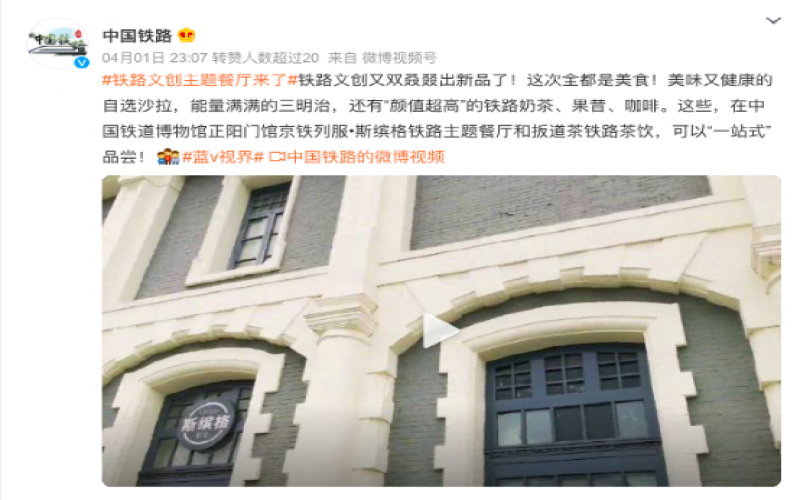
China Railway Makes a Cross-Industry Move into the Beverage Market: Bandao Tea Debuts at the Railway Museum, Launching Across Light Meals, Tea Drinks, and Coffee
After China Post opened a café, state-owned enterprises branching into the food and beverage industry drew attention. China Railway has also joined this trend, launching a railway cultural and creative themed restaurant at the Zhengyangmen branch of the China Railway Museum, covering healthy light meals and beverages. The beverage brand is named "Bendao Tea," featuring railway-themed decor and freshly made tea, juice, and coffee, priced at 12 to 32 yuan. However, consumers have reported that the drinks are too sweet and lack personalized customization options, and the store's location is rather remote with a hard-to-pronounce name, resulting in limited foot traffic. Previously, high-speed rail milk tea was criticized and trended on social media over price and taste issues, and high-speed rail coffee was also launched the same month. Unlike China Post's step-by-step approach with milk tea and coffee, China Railway is pursuing multiple tracks simultaneously—ambitious, but facing no small challenge. [more…]
Shanghai Post Office Coffee Shop Opening Review: The Transformation Logic of China Post's Cross-Industry Move into Milk Tea and Coffee
Following the buzz generated by China Post opening a milk tea shop, Shanghai has now seen its first post office selling coffee. On September 17, the Tianping Road Post Office at 1883 Middle Huaihai Road was transformed into the Wukang Building-themed post office. While retaining its original postal services, it has introduced a café, a photo-op area, and a cultural and creative display zone, in collaboration with Qiao Coffee under the century-old Shanghai time-honored brand Qiaojiashan. Is the coffee at this post office actually good? Why does China Post frequently cross into the beverage sector? This article will analyze the details of the store renovation, the background of the partner brand, and the history of China Post's cross-industry ventures, and explore the underlying logic of time-honored brands seeking rejuvenation. [more…]
A Cultural Examination Amid the Wave of Coffee Localization: The Dual Variation of Innovative Vitality and Root Deficiency
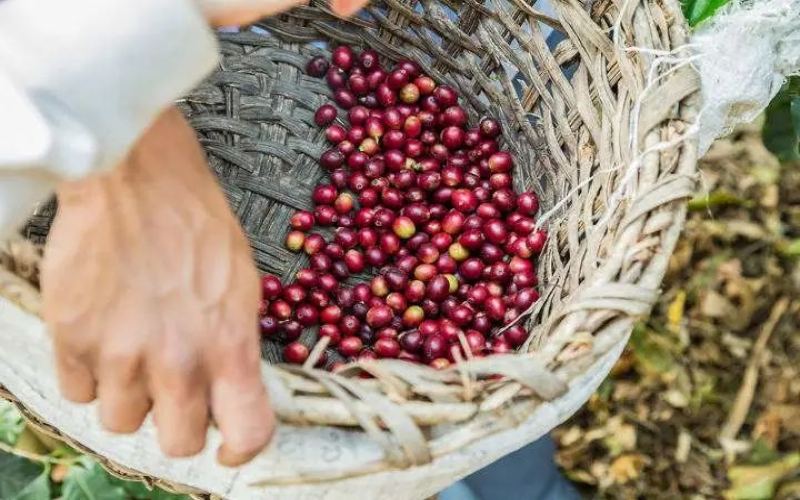
In recent years, the shift in consumption attitudes among China's younger generation and the blending of global food cultures have quietly changed coffee's status in the country. Chain brands have brought coffee from a light luxury into daily life, specialty coffee culture has rapidly spread with the help of local forces, and Yunnan coffee beans have moved from obscurity to popularity. What followed is a trend of coffee's "Sinicization"—from stewing and extraction to serving in tea bowls, from youtiao and jianbing to rice wine and Moutai, coffee is putting on a Chinese-style coat. Yet is this localization a school worth passing down, or a fleeting trend lacking roots and soul? This article will explore the innovative surface and inner deficiencies of Chinese-style coffee, and consider how coffee culture can truly take root in China. [more…]
Cold Reflection Amid the Coffee Localization Craze: Can New Chinese-Style Coffee Truly Win the Hearts of Chinese Consumers?
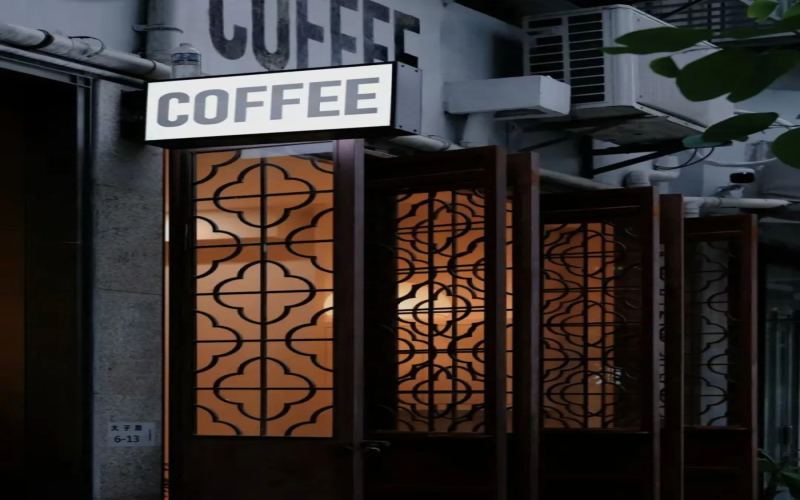
In recent years, "new Chinese style" has become a hot topic in the food and beverage industry, and coffee is no exception. From coffee served in lidded bowls to collaborations with Chinese-style breakfasts and traditional medicinal herbs, a growing number of coffee professionals are trying to blend coffee with elements of traditional Chinese culture. This localization strategy has indeed opened up a new niche in the coffee market, drawing a great deal of attention on the back of the "national trend" wave. Yet when coffee is draped in a gorgeous Chinese-style exterior, what do people actually remember—the coffee itself, or the exquisite packaging and settings? This article takes an in-depth look at the current state of new Chinese-style coffee and its hidden concerns, reflects on whether the development of coffee culture in China has truly touched the essence, and calls for more professional attention and dedication to coffee itself. [more…]
Heytea partners with "Empresses in the Palace" to launch a co-branded new product, adding another cultural experience to new tea drinks' crossover with film and TV IPs
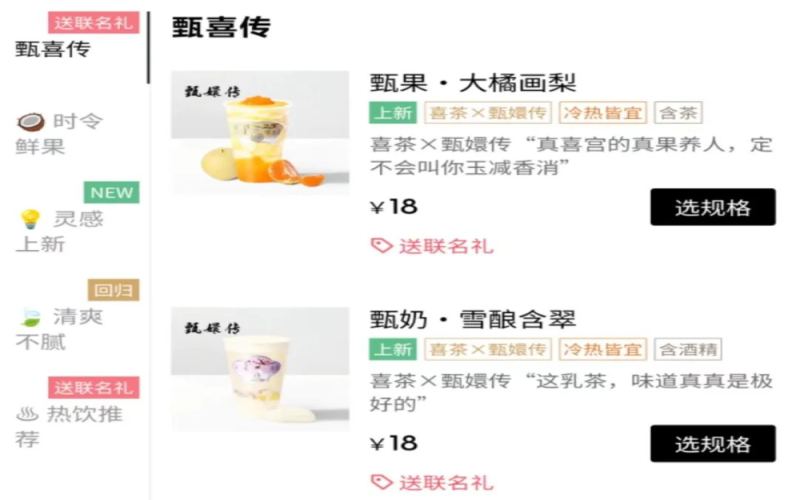
HEYTEA has made another move, officially announcing a co-branding collaboration with the nationally beloved TV drama Empresses in the Palace, launching two new products: "Zhen Guo · Da Ju Hua Li" fruit tea and "Zhen Nai · Xue Niang Han Cui" milk tea, both priced at 18 yuan. This is the first time Empresses in the Palace has crossed over into a co-branding partnership with a new-style tea beverage brand, and it is also HEYTEA's latest IP collaboration attempt following A Dream of Splendor and Genshin Impact. From "Meng Hua Cha Xi · Dian Cha" selling nearly 300,000 cups on its launch day, to the Genshin Impact co-branded fruit juice tea's first batch selling out within 59 minutes, HEYTEA's cross-brand collaborations have become increasingly frequent and remarkably effective. This collaboration not only enriches the drama's connotations but also provides a new direction for exploring cultural experiences in new-style tea beverage brands. Follow Coffee Workshop to learn more about specialty coffee and beverage industry trends, and Front Street Coffee (FrontStreet Coffee) also continues to bring you professional coffee knowledge exchange. [more…]

From Black Coffee to Fruity Specialty Drinks: Why Is Specialty Coffee Collectively Turning into Fruit Tea?
The threshold for appreciating specialty coffee has always been high—from palate training to the investment of time and money, none can be skipped. Yet in recent years, the rise of specialty beverages, especially fruit coffee, is quietly changing this landscape. Adding fruit, sugar, alcohol, and Chinese ingredients—the boundaries of coffee have been broken time and again. Is this the degradation of specialty coffee, or an inevitable path to the mass market? This article analyzes the deep logic behind the combination of coffee and fruit from the perspectives of consumer data, industry trends, and barista competitions, and explores what professional foundation a good creative coffee should possess. Whether you are a purist who sticks to tradition or a creative beverage enthusiast who embraces innovation, this discussion about the boundaries of coffee is worth reading. [more…]
The Survival Landscape of Independent Coffee Shops in Shanghai: The Business Logic and Cultural Foundation Behind 7,857 Stores
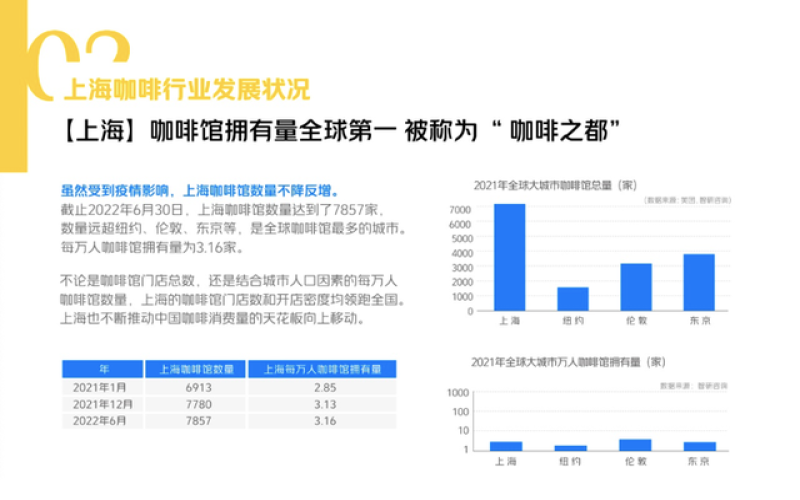
As of June 2022, Shanghai ranked first among global cities with 7,857 coffee shops, of which independent outlets accounted for more than 60 percent. Behind this figure lies both a coffee-drinking tradition spanning more than a century and the meticulous efforts of contemporary owner-operators in refining style, products, and personalized experiences. This article analyzes, from the two dimensions of historical context and business strategy, how Shanghai's independent coffee shops continue to grow in the cracks between chain brands, and explores how owner-operators, spatial style, and product distinctiveness constitute the core competitiveness of independent coffee shops. [more…]
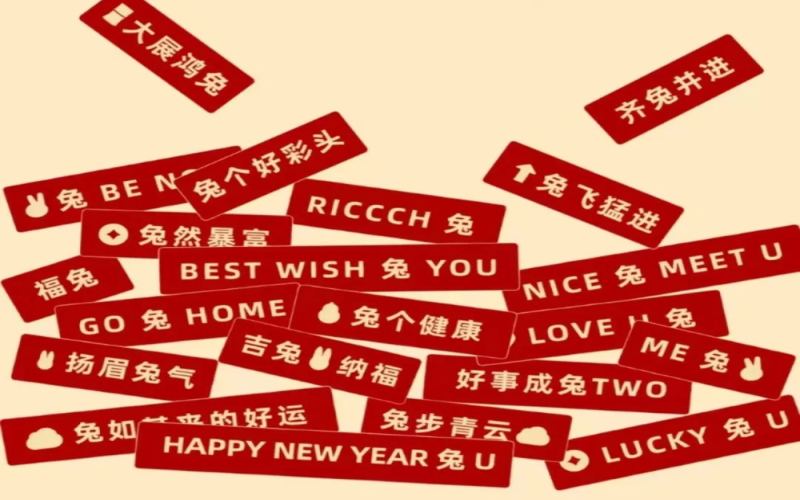
The Rabbit Zodiac IP Becomes a New Battleground for Coffee Marketing: A Review of New Year Limited-Edition Strategies from Luckin, Starbucks, Nestlé, and Other Brands
As the Lunar Year of the Rabbit approaches, the New Year marketing battle in the coffee beverage industry has quietly begun. Major brands are launching creative campaigns around the zodiac "rabbit," from puns and auspicious sayings to limited-edition new products, from co-branded designs to merchandise, all trying to capture consumer mindshare in the fierce market competition. Luckin has teamed up with artist Han Meilin to launch the "Double Rabbit" series, Starbucks offers three limited-edition drinks paired with cute rabbit merchandise, and Nestle Nespresso has collaborated with designer Angel Chen to create an eco-themed gift box. This article reviews the Chinese New Year marketing moves of major coffee brands, analyzes how zodiac IPs help brands build emotional connections with consumers, and explores that, amid the trend, product quality and creative output are the key to standing out. [more…]
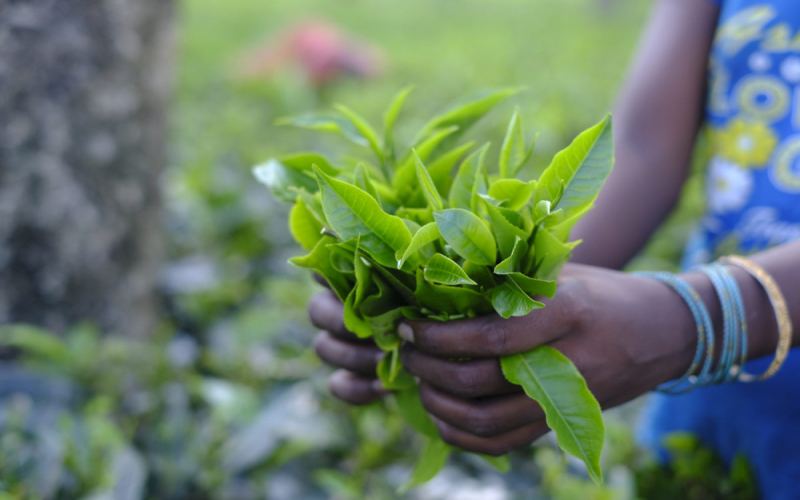
Where is Assam black tea produced? Can it be used to make milk tea? What grade of tea does it belong to?
Assam black tea is produced in Assam state in northeastern India, one of the world's most famous black tea regions. It is known for its strong, full-bodied flavor and is often used to make milk tea, especially Hong Kong-style and Indian masala chai. So, what tier does Assam black tea actually belong to? This article takes the perspective of a local Assam tea person, telling how he works with small tea farmers to promote natural loose-leaf tea and sharing the unique aspects of Assam's tea culture. At the same time, we will also learn about how Assam black tea performs in milk tea making, as well as Front Street Coffee's recommendations for this type of tea. [more…]
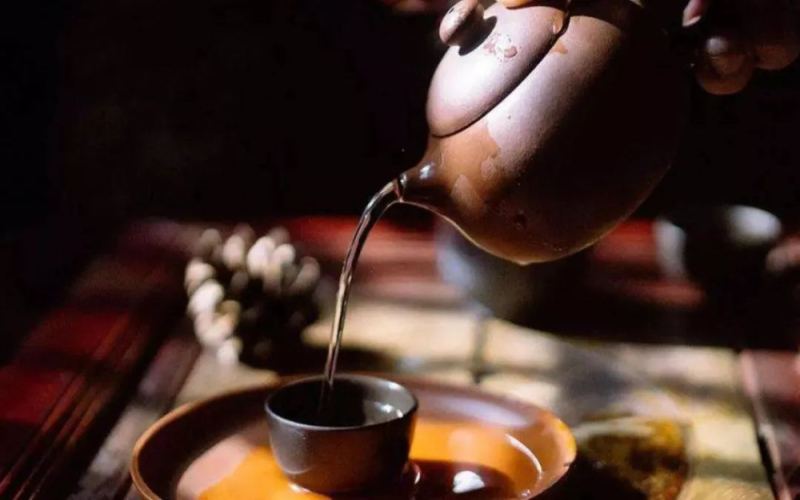
Monks Also Love Pour-Over Coffee: Ancient Temples Across Asia Open Cafés, Monks Buy Green Beans to Roast and Brew Themselves
Famous mountains and ancient temples have long been known for tea, but in recent years monks at temples in many parts of Asia have begun to take a keen interest in coffee, and cafes have quietly appeared within temple grounds. From the Starbucks at Zenko-ji in Japan, to the vegetarian coffee at Yongfu Temple in Hangzhou and Longhua Temple in Shanghai, to Korean monks who buy green beans themselves, purchase roasters, and personally brew coffee to serve visitors, coffee is gradually becoming part of temple life. This article introduces this intriguing phenomenon of traditional culture blending with an imported beverage, and explores the cultural significance behind temple coffee. At the end, it also includes netizens' profound comments on the changing role of temples. [more…]
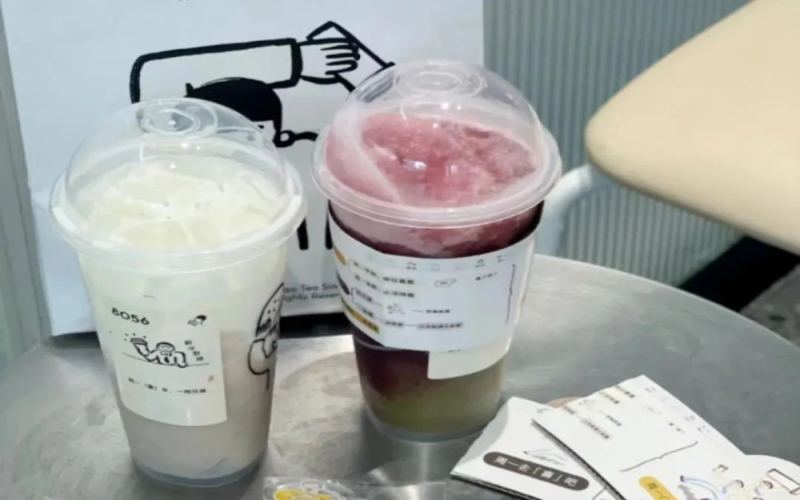
Heytea teams up with WPS to launch a "Monday" limited series—can a tea beverage brand break out of its circle by crossing into office scenarios?
Heytea has made another collaboration move, and this time the partner is the national-level office software WPS Office. The two parties launched limited-edition cup sleeves and badges themed around "Monday," and simultaneously made Heytea asset templates available on the WPS Docer mall. From film and television IPs to office scenarios, Heytea is trying to break out of its user scenario boundaries. At the same time, the trend of new tea beverage brands laying out in the coffee track is becoming increasingly obvious, and Heytea's moves to invest in specialty coffee brands such as Minor Figures and Seesaw have also attracted attention. This article will analyze the strategies and challenges of new tea beverage brands against the backdrop of normalized collaborations, starting from the creative details of this collaboration, WPS's brand background, netizen feedback, and Heytea's recent series of actions. [more…]
Analysis of the Three Major Types of Espresso: From Historical and Cultural Origins to a Practical Extraction Guide
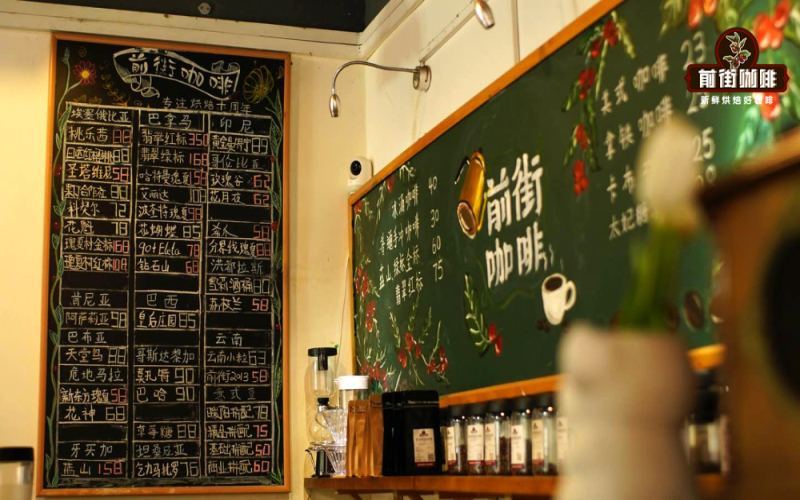
Espresso is the soul cornerstone of coffee shops worldwide, from Americanos and lattes to cappuccinos, all depend on this small cup of rich coffee liquid. This article will guide you through the historical context of Italian coffee, from the birth of the first espresso machine in 1884 to the revolution brought by the lever-style coffee machine in 1948 that introduced crema. It will also provide a detailed analysis of the extraction differences and flavor characteristics of Espresso, Ristretto, and Lungo. Meanwhile, Front Street Coffee (FrontStreet Coffee) will use the "Sunflower Warm Sun Blend" as an example to share the complete operational process from dosing, tamping, to extraction parameter control, helping you gain a deeper understanding of the essence of Italian coffee culture. [more…]
Search interest in Chinese-style coffee has surged by nearly 5,000%, with localized innovation gradually becoming a trend.
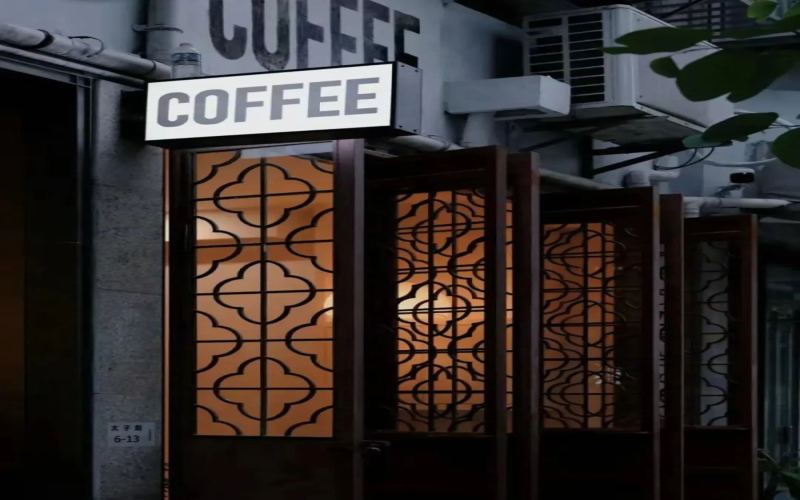
In recent years, more and more products and spaces with Chinese elements have emerged in the coffee field. From brands and bean sources to creative beverages and store designs, coffee's "Chinese flavor" has become increasingly pronounced. Data shows that in the third quarter of this year, searches for "coffee + art" increased by 3,025% year-on-year, searches for "specialty coffee" grew by 207%, and search interest in "Chinese-style coffee" surged by 4,713% year-on-year. Behind this phenomenon is not only the rise of local coffee brands and the improvement in the quality of Yunnan coffee, but also a reflection of the new generation of consumers' preference for national trends and local culture. Coffee shops have narrowed the distance between Chinese people and coffee through traditional tableware, Chinese-style interior design, and innovations with regional ingredients. Although Chinese-style coffee has not yet formed an independent school, its boundary-breaking exploration has already attracted widespread attention. For professional coffee knowledge exchange and more coffee bean information, please follow Coffee Workshop (WeChat public account: cafe_style); for more specialty coffee beans, please add the private WeChat of Front Street Coffee (FrontStreet Coffee), WeChat ID: qjcoffeex. [more…]
Why Is Temple Coffee Gaining Popularity? Paths for Creating Consumption Scenarios Under the New Trends of the 2023 Coffee Market
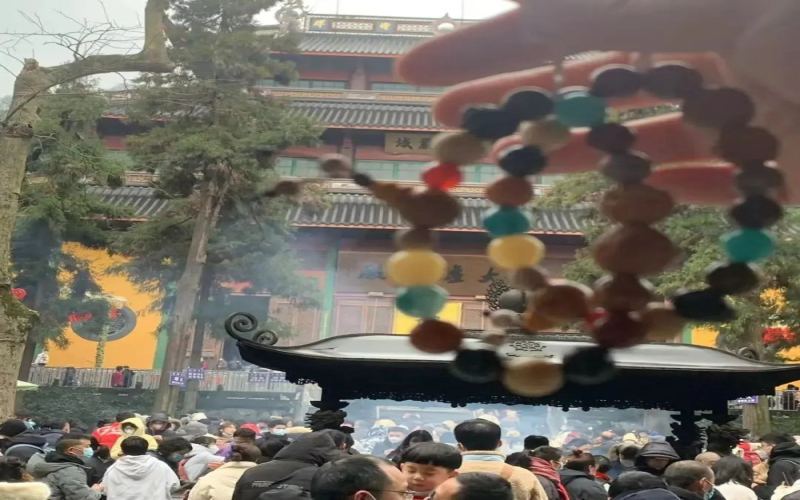
In recent years, more and more young people have made temples a travel check-in destination. Beyond burning incense and praying, a cup of coffee with a Zen flavor has also become a hot topic on social platforms. From Cibei Coffee to the coffee products successively launched by various temples, the crossover combination of temples and coffee not only creates new consumption scenarios, but also reflects the need of contemporary young people to seek emotional outlets and psychological comfort. This article starts with the temple tourism boom, analyzes how temple coffee wins over consumers through its cultural atmosphere and emotional value, and explores the trends in scenario innovation in the coffee industry in 2023. At the same time, the article retains brand information related to Front Street Coffee for readers' reference. [more…]
China Post's Coffee Trademark Application Rejected: An Analysis of China Post's Cross-Industry Layout and the Industry Boom
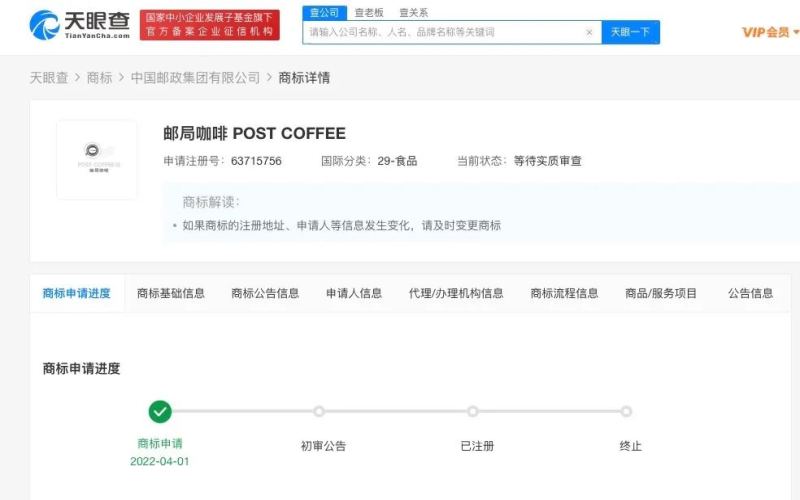
China Post's application for the "邮局咖啡 POST COFFEE" trademark was recently rejected, sparking widespread attention. Since the first store opened in Xiamen in February 2022, Post Coffee has expanded to four cities—Xiamen, Nanjing, Quanzhou, and Beijing—with six stores, focusing on a blend of postal nostalgia and cultural creativity. The co-founder had planned to open a hundred stores by the end of the year, but the trademark registration setback has led to widespread discussion online. Meanwhile, giants from various industries such as Li-Ning, Xtep, Tongrentang, and East Buy have entered the coffee sector. What are the prospects for cross-industry coffee ventures? This article reviews Post Coffee's expansion journey, product features, and trademark controversy, and takes stock of cross-industry dynamics in the industry. [more…]